Key takeaways
Fill, sign, and submit Holding Deposit Agreement and Receipt from any browser — or have AI generate a custom version in seconds. No installs, no printing, no back-and-forth.
- The Holding Deposit Agreement and Receipt is a private contract used to secure a rental property before signing a full lease.
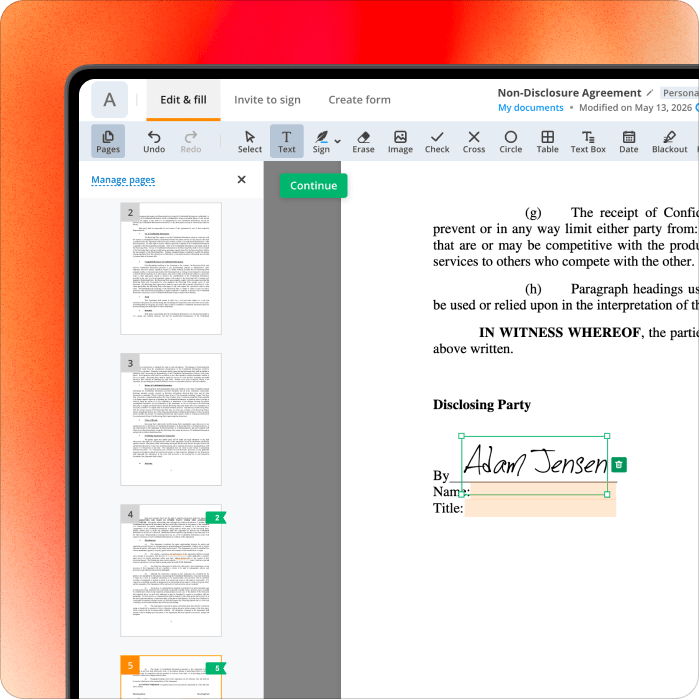
- Both the applicant and the landlord must sign this document to acknowledge the terms and receipt of the funds.
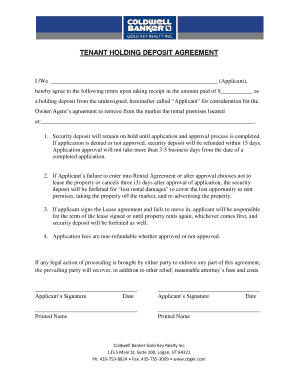
- It details the conditions for refunding or forfeiting the deposit and specifies how funds are applied toward future rent.
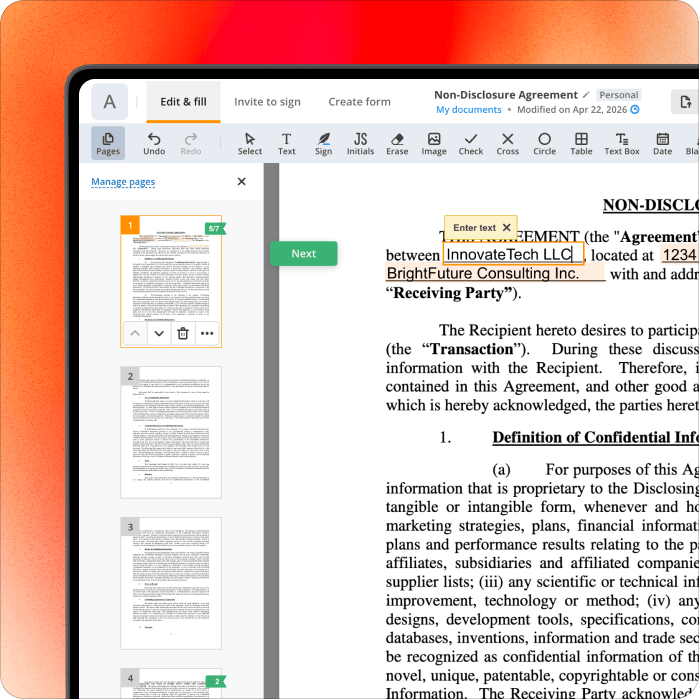
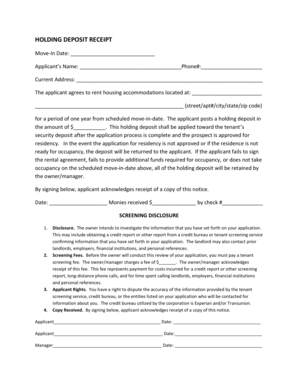
- The form includes fillable fields for payment amounts, dates, and checkboxes for the chosen method of payment.
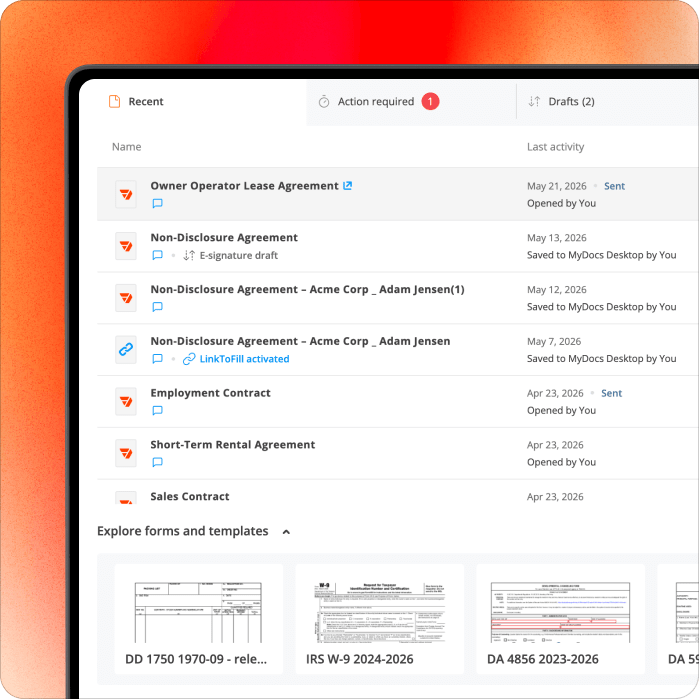
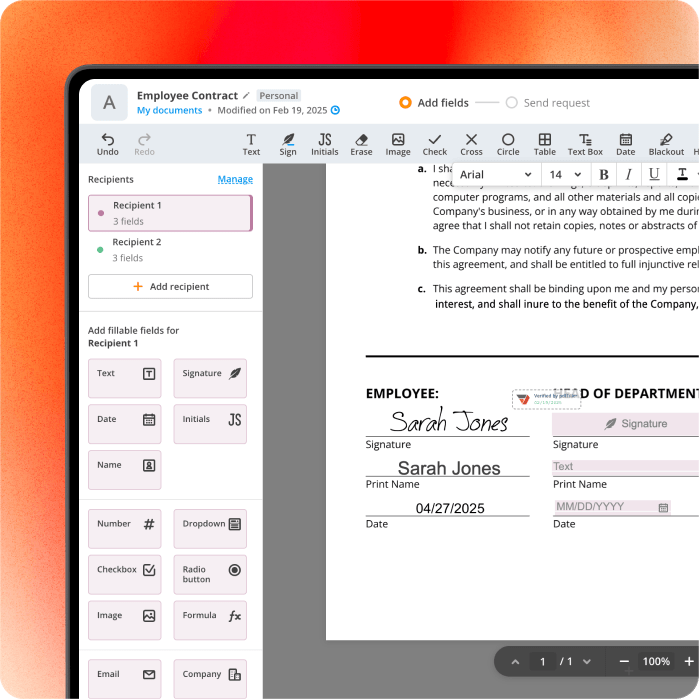
- You can use pdfFiller to fill, eSign, and securely share this agreement with the other party online.
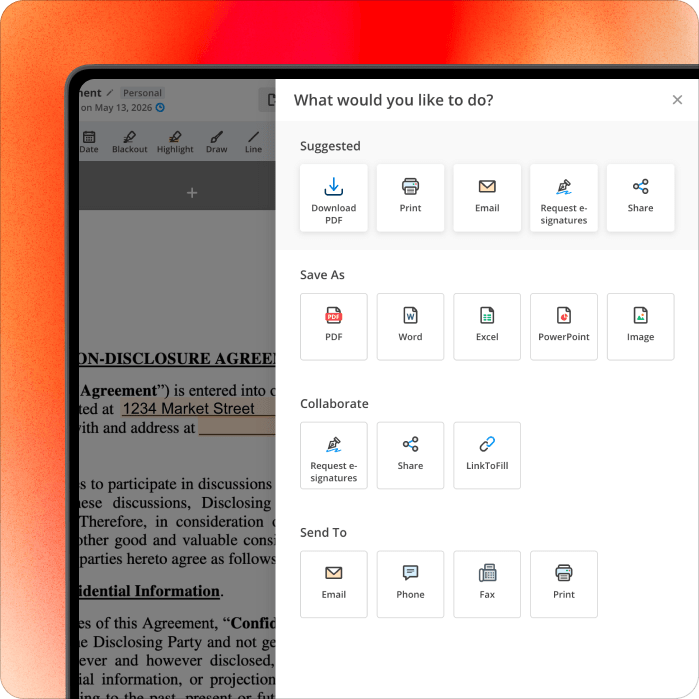
- Completed agreements can be downloaded or saved in secure encrypted storage to maintain an accurate record for both parties.
What is Holding Deposit Agreement and Receipt?
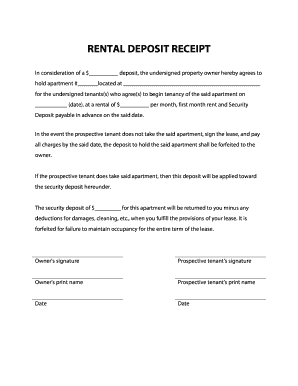
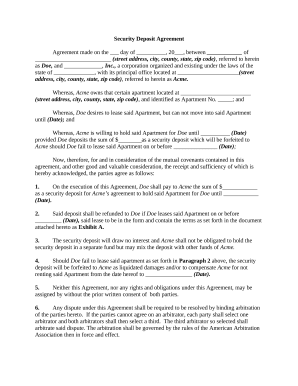
The Holding Deposit Agreement and Receipt is a private contractual document used by prospective tenants and landlords to secure a specific rental property before a formal lease is finalized. This us rental deposit agreement outlines the financial terms under which a holding deposit is provided to ensure the housing unit is temporarily taken off the market. It clearly defines the conditions for the deposit, specifying how the funds are held and the circumstances under which the money might be refunded to the applicant or forfeited to the landlord.
The document captures essential information such as the deposit amount, payment dates, and preferred payment methods through dedicated fillable fields and checkboxes. It details the responsibilities of both parties, including how the deposit may be applied toward future rent or retained as a penalty for non-compliance. By requiring signatures from both the applicant and the landlord, the form establishes a mutual understanding of the holding process and potential itemization requirements should the apartment be rented to the applicant.
This document is a private agreement and does not have an official government issuing authority.
Who needs the Holding Deposit Agreement and Receipt — and who doesn't
Not everyone files Holding Deposit Agreement and Receipt. The checklist below tells you whether it applies to your situation — and points you to the right alternative if it doesn't.
You need this Holding Deposit Agreement and Receipt if…
- you are a prospective tenant seeking to secure a specific apartment or house before the official lease is finalized
- you are a landlord who needs to document the receipt of a deposit used to take a property off the market
- you want to establish written terms for the potential refund or forfeiture of a holding fee
- you intend to specify exactly how the deposited funds will be applied to future rent or security costs
You do not need this Holding Deposit Agreement and Receipt if…
- you have already executed a full residential lease agreement that covers all financial obligations
- no money is being exchanged between the applicant and the landlord to hold the rental unit
- the property is being rented immediately without a holding period
Why you need the Holding Deposit Agreement and Receipt
Why people fill out Holding Deposit Agreement and Receipt, and what tends to go wrong when they don't.
-
Define Deposit Terms This document establishes clear rules for the holding period before a full lease is signed. It outlines whether the deposit is refundable and how it will be applied to future rent.
-
Verify Financial Records With specific fields for payment amounts, dates, and methods, the form acts as a formal receipt. Keeping a completed copy helps prevent disputes by documenting the exact transaction details.
-
Ensure Mutual Commitment Both the applicant and the landlord must sign this agreement to finalize the hold. This requirement ensures that both parties acknowledge their responsibilities and the conditions for securing the property.
-
Streamline Document Signing Use pdfFiller to fill out, sign, and share this agreement digitally. The platform allows you to add a legally binding e-signature and send the finished PDF to the other party quickly.
What each section of Holding Deposit Agreement and Receipt means
Every section explained — what it's asking, the records you'll need on hand, and the mistakes that most often cause a rejection or follow-up request.
| Holding Deposit Amount | Input the total dollar amount paid by the applicant to secure the rental unit before the formal lease agreement is finalized and signed by both parties. |
|---|---|
| Payment and Agreement Dates | Specify the calendar date the holding deposit was paid and the date the agreement was reached between the prospective tenant and the property owner. |
| Payment Method Checkboxes | Check the appropriate box to indicate whether the deposit was provided via cash, check, money order, or another form of payment accepted by the landlord. |
| Applicant and Landlord Signatures | Both the prospective tenant and the landlord must sign the document to confirm their understanding of the deposit terms and the receipt of funds. |
How to fill out Holding Deposit Agreement and Receipt using pdfFiller
A walkthrough from the first field to the signature line. With your records in front of you, most people finish in under ten minutes.
-
Open the Form Click Get Form to open Holding Deposit Agreement and Receipt in the pdfFiller editor to begin customizing your document for your specific rental needs.
-
Enter Agreement Dates Click the date fields to use the calendar tool or type the dates directly to record when the agreement was made and the deposit provided.
-
Specify Deposit Amounts Navigate to the blank fields for monetary values and type the exact holding deposit amount to be held by the landlord prior to the lease signing.
-
Mark Payment Methods Use the checkbox tool to select the method of payment used by the applicant, ensuring the residential lease agreement form accurately reflects the transaction details.
-
Complete Fillable Fields Follow the document instructions and fill in the remaining text fields to detail the conditions under which the holding deposit may be applied, refunded, or forfeited.
-
Add Required Signatures Click the Sign icon to add a legally binding eSignature for the applicant and the landlord, fulfilling the signing requirements for this holding deposit agreement template.
-
Finalize and Share Save the finished PDF to your account or use pdfFiller to send it via email or fax, ensuring the document is kept in secure encrypted storage.
State variations of Holding Deposit Agreement and Receipt
Regulations governing residential rental deposits and holding fees vary significantly by state. Local statutes often dictate the maximum amount a landlord may collect, the timeframe for returning funds, and specific language required for the agreement to be legally binding. Because this Holding Deposit Agreement and Receipt requires signatures from both the applicant and the landlord to secure the property, it is essential that the terms comply with the laws of the specific state where the rental property is located.
Related content
The forms, guides, and worksheets most filers reach for alongside Holding Deposit Agreement and Receipt.
Key terms used in Holding Deposit Agreement and Receipt
A one-sentence glossary of the Holding Deposit Agreement and Receipt terms and concepts you'll see throughout this guide.
- Holding Deposit
- A payment made by a prospective tenant to reserve a rental property before a formal lease agreement is signed.
- Applicant
- The person applying to rent a property who pays a deposit to secure the unit during the screening process.
- Landlord
- The property owner or authorized agent who receives the holding deposit and agrees to reserve the unit for the applicant.
- Itemization of Damages
- A written list documenting specific repairs or cleaning costs that may be deducted from funds held by the landlord.
- Lease Agreement
- A legally binding contract between a landlord and tenant that establishes the terms for renting a residential property.
Frequently asked questions about Holding Deposit Agreement and Receipt
Quick answers to the questions we hear most often about completing the Holding Deposit Agreement and Receipt.
The Holding Deposit Agreement and Receipt is a private contract between a prospective tenant and a landlord used to secure a rental property before a full lease is signed. It outlines the specific conditions under which the deposit is paid, held, and whether it will be eventually refunded or forfeited if the applicant does not move in.
Both the applicant and the landlord must sign the document to make the agreement valid. This ensures that both parties agree to the terms regarding the holding deposit, including how it might be applied to future rent or under what circumstances it could be kept by the landlord if the applicant fails to move into the property.
Whether a holding deposit is refundable depends on the specific terms outlined in the agreement, which may include conditions for refund or forfeiture. The document details how the deposit may be applied to rent or lost if the applicant fails to comply with the terms, providing clarity for both the landlord and the prospective tenant.
An apartment holding deposit receipt includes fillable fields for payment amounts, dates, and checkboxes for the specific payment method used. It also features designated areas for signatures from the applicant and the landlord, alongside instructions regarding the conditions of the deposit and the potential penalties for non-compliance by either party involved in the transaction.
You can use pdfFiller to fill out, edit, and sign a Holding Deposit Agreement and Receipt directly in your web browser. This online platform allows you to manage the document digitally, add legally binding e-signatures, and securely share the completed form with the other party via email or a direct link for faster processing.
The agreement details the terms for the holding deposit, which often include applying the amount toward the first month's rent or the security deposit once the lease is finalized. It serves as a financial bridge between the initial application and the formal rental agreement, ensuring the property is reserved for the applicant while final details are settled.